
Key Takeaways
- Rajasthan's two dominant termite species — Odontotermes obesus and Coptotermes heimi — are both well-adapted to the state's dry, desert-adjacent climate, and both are active in and around Jaipur.
- Termite risk in Rajasthan isn't evenly spread across the year: swarming and above-ground activity spike with monsoon humidity (roughly August–September), while treatment timing decisions should be made before that window, not during it.
- Pre-construction treatment (soil barrier before the slab is poured) and post-construction treatment (drilling/trenching an existing structure) are priced and applied completely differently — most cost confusion traces back to conflating the two.
- Businesses (RIICO industrial units, warehouses, hotels, food processors) face the same termite risk as homeowners, plus overlapping compliance obligations under FSSAI and structural-safety requirements.
- This guide is the hub for PestPro India's full Rajasthan termite content — each linked guide below goes deeper on one specific question.
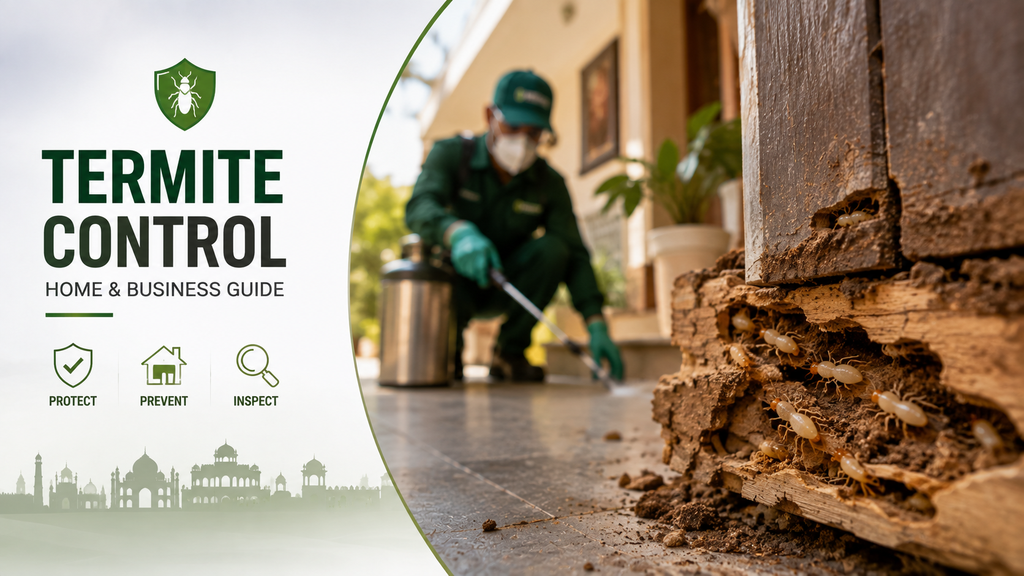
If you searched "termite control Rajasthan," you're likely dealing with one of three situations: you own a home and suspect or want to prevent termite damage, you're building new and need to decide on pre-construction treatment, or you manage a commercial facility where termite risk overlaps with compliance obligations. This guide covers all three, and links out to a detailed guide for each specific question.
Dealing with this pest at your property?
Get a same-day inspection and written quotation.
Why Rajasthan Is a Distinct Termite Risk Zone
Most termite content written for an Indian audience is generic — it doesn't account for the fact that termite pressure, timing, and species vary meaningfully by region. Rajasthan's climate is hot and semi-arid, with average temperatures exceeding 37°C from April through the pre-monsoon period, humidity that stays low most of the year but climbs sharply during the monsoon (peaking around 67–76% in August), and a concentrated rainy season from roughly mid-June to mid-September (Climate-data.org — Jaipur Climate).
That combination matters because termites are highly sensitive to temperature and humidity: foraging and colony-building activity concentrates in the 25–35°C range, and termites prefer ambient humidity of roughly 50–70% for above-ground activity (Rentokil PCI — Does Monsoon Increase Termite Activity?). Rajasthan spends much of the year outside that humidity band — which is exactly why the monsoon window matters so much for both swarming and treatment timing. For the full explanation of how this plays out month to month, see Rajasthan's Climate & Termite Risk: When to Treat.
The two species most responsible for termite damage in Rajasthan are Odontotermes obesus, a mound-building species, and Coptotermes heimi, a subterranean species — both documented across Rajasthan, Uttar Pradesh, Punjab, and Haryana (ResearchGate — Economically Important Termite Species in India). Coptotermes heimi is particularly worth homeowner attention because it's subterranean and its presence often isn't obvious until damage is advanced.
For Homeowners: What to Do and When
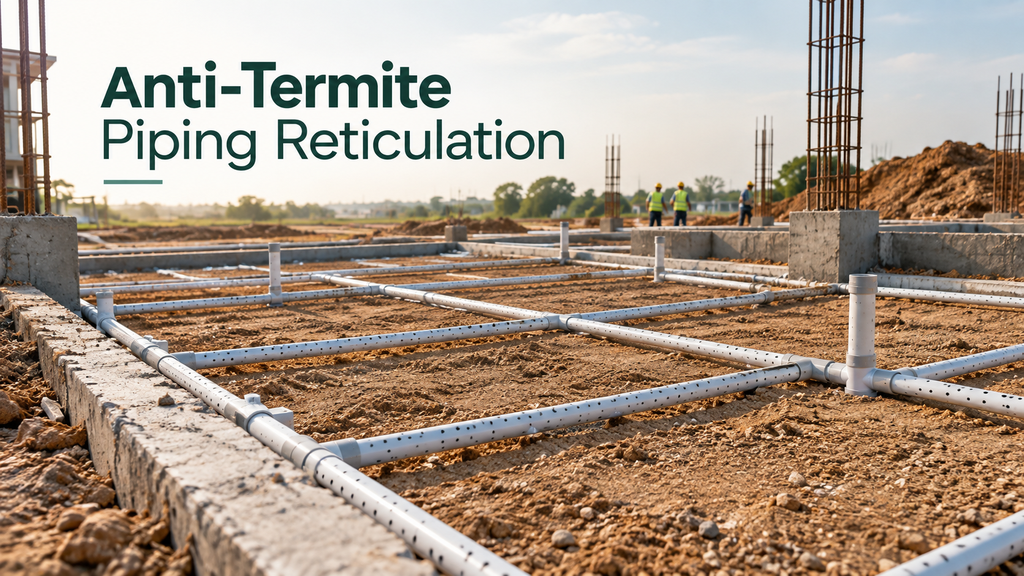
If you're building a new home, pre-construction soil treatment is the standard recommendation — it's applied before the slab is poured and creates a continuous chemical barrier between the soil and the structure, which is meaningfully more effective than treating an existing building after the fact. If you already own or occupy the home, post-construction treatment — typically drilling and trenching at vulnerable points — is your only option, and the decision becomes about scope and thoroughness rather than timing. The full comparison, including which Indian Standard (IS 6313) governs approved chemicals and which older chemicals are no longer legal to use, is in Pre- vs Post-Construction Termite Treatment: Which Is Right?
Most homeowners miss the early signs. Mud tubes, hollow-sounding wood, and discarded wings near windowsills are all easy to overlook precisely because none of them look dramatic — and by the time visible damage appears, a colony may have been active for a long time. See Signs of Termite Damage Homeowners in Jaipur Miss for the specific things to check.
Cost is the most common first question, and the honest answer is "it depends on treatment type and property size" — post-construction chemical treatment runs roughly ₹3–₹8 per sq ft, pre-construction runs ₹30–₹50 per sq ft of plinth area, and quotes for the same home can legitimately vary 40–50% based on infestation severity and warranty length. Full property-size cost bands are in Termite Control Cost in Jaipur (2026 Pricing Guide).
For Businesses: Where Termite Risk Meets Compliance
Termite protection for RIICO industrial units, warehouses, hotels, and food processing facilities isn't just a maintenance question — it overlaps directly with regulatory obligations. A food business operating under an FSSAI licence has to maintain effective pest control under Schedule 4 of the FSS (Licensing and Registration of Food Businesses) Regulations, 2011, and auditors check for structural damage — including termite and rodent entry points — as part of that assessment. See FSSAI Pest Control Requirements: A Warehouse Compliance Checklist if your facility carries that obligation.
Termite damage to structural timber, packaging materials, and stored stock also carries a direct cost risk that's separate from any compliance angle — a warehouse with an active infestation can face inventory loss well before a regulator would ever flag it.
Beyond Termites: Related Pest Pressure in Rajasthan
Termites are rarely the only pest pressure a Rajasthan property faces. Rodents — particularly the lesser bandicoot rat (Bandicota bengalensis), which has displaced native desert gerbils in Rajasthan's urban centers, and the Indian desert gerbil (Meriones hurrianae), still dominant in Western Rajasthan's rain-fed and rural areas (ResearchGate — Bio-ecology of Lesser Bandicoot Rat) — present a parallel structural and stock-damage risk, especially for warehouses and godowns. See Rodent Control for Warehouses & Homes in Rajasthan for species-specific guidance.
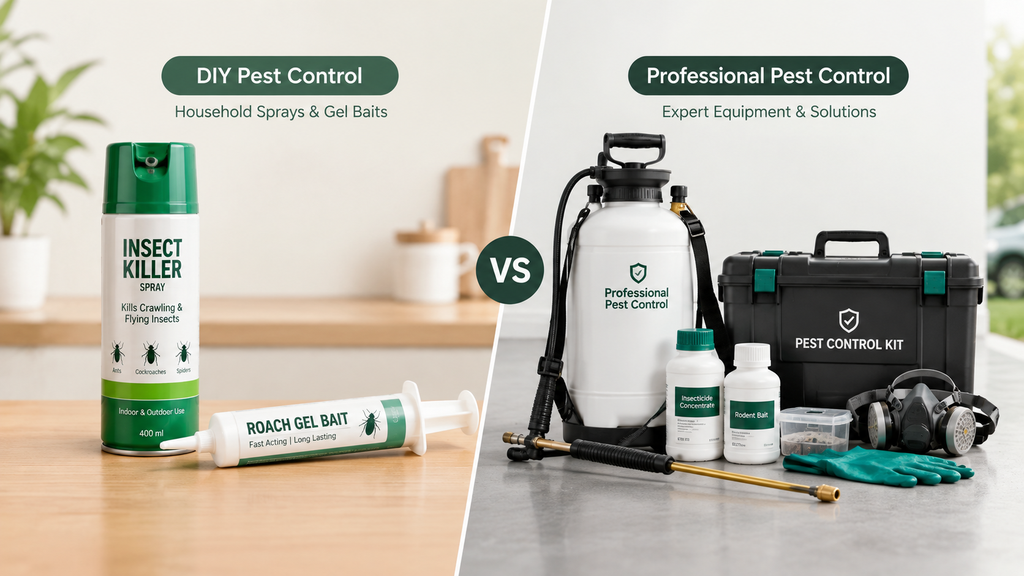
If you're budgeting for pest control broadly — not just termites — see Pest Control Cost in Jaipur: Full 2026 Price Guide by Service Type for cockroach, rodent, mosquito, and general AMC pricing alongside termite costs.
This Guide's Full Cluster
| Guide | What It Covers |
| Termite Control Cost in Jaipur (2026 Pricing Guide) | Property-size cost bands, per-sq-ft rates, what drives quote variation |
| Pre- vs Post-Construction Termite Treatment: Which Is Right? | Treatment method comparison, IS 6313, legal vs. banned chemicals |
| Rajasthan's Climate & Termite Risk: When to Treat | Seasonal risk, swarming windows, best timing for treatment |
| Signs of Termite Damage Homeowners in Jaipur Miss | Early warning signs most people overlook |
| Rodent Control for Warehouses & Homes in Rajasthan | Species-specific rodent guidance for homes and commercial facilities |
| Pest Control Cost in Jaipur: Full 2026 Price Guide by Service Type | Cockroach, rodent, mosquito, bed bug, and AMC pricing beyond termites |
FAQ
Is termite treatment a one-time thing, or does it need to be repeated? It depends on treatment type and warranty. Pre-construction soil treatment is applied once and typically warrantied for several years; post-construction treatment may need follow-up depending on infestation severity, and ongoing inspection is worth considering in high-risk zones even within a warranty period.
Do I need different treatment for a home versus a warehouse? The underlying chemistry is similar, but scale, access, and — for FSSAI-licensed facilities — documentation requirements differ significantly. Commercial facilities should treat termite control as part of a broader, documented pest control programme rather than a one-off service.
How do I know if a termite problem is urgent or something I can plan around? Active mud tubes, visibly hollow structural wood, or a recent swarm (discarded wings indoors) suggest treatment shouldn't wait for a convenient season. Absent those signs, timing treatment around the pre-monsoon window is reasonable — see the climate guide linked above for specifics.
Sources
- Climate-data.org — Jaipur Climate
- Rentokil PCI — Does Monsoon Increase Termite Activity?
- ResearchGate — Economically Important Termite Species in India
- ResearchGate — Bio-ecology of Lesser Bandicoot Rat, Bandicota bengalensis