
Key Takeaways
- DIY products work best for small, visible, early-stage infestations — a few ants, a handful of visible pests, or preventive maintenance between professional visits.
- DIY products treat what you can see; they rarely reach a hidden nest, colony, or structural entry point, which is why "it came back" is the most common DIY failure pattern.
- Professional services start with an inspection and diagnosis, which is what actually determines whether a treatment addresses the source rather than just the symptom.
- Misapplied DIY products carry real safety risk — wrong concentration, wrong location, or an agricultural-labeled product used indoors are all more common than most people expect.
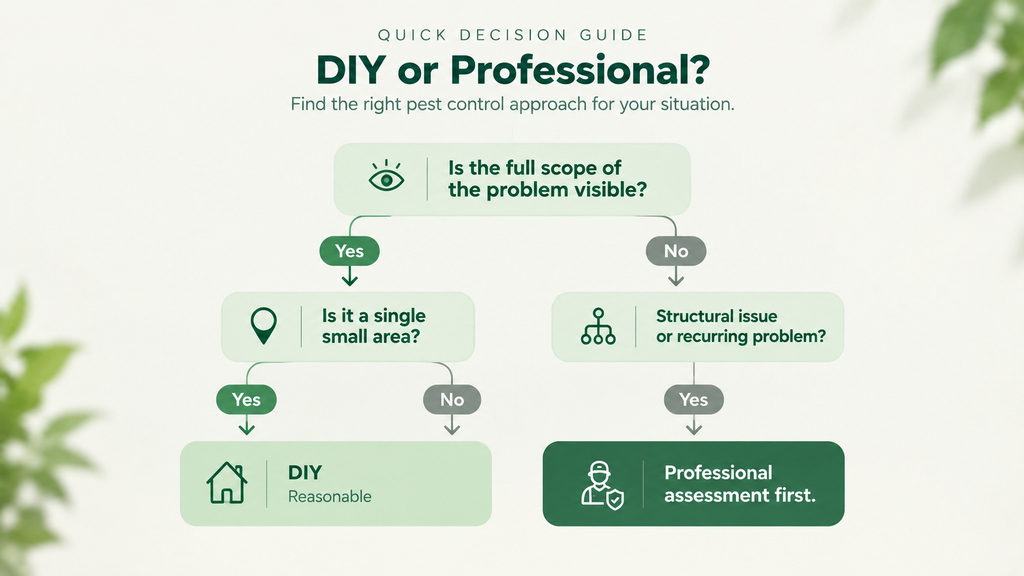
- The decision isn't really about cost — it's about whether the scope of the problem is fully visible. If you're not sure, that uncertainty itself is the signal to get a professional assessment before buying anything.
Every pest control product aisle and every pest control company's homepage implicitly makes the same pitch — that their approach is the right one. It usually depends entirely on what you're actually dealing with, and getting that wrong in either direction (over-buying DIY equipment for a real infestation, or hiring a full service for a problem three sprays would've fixed) wastes money.
Dealing with this pest at your property?
Get a same-day inspection and written quotation.
What DIY Products Are Actually Good At
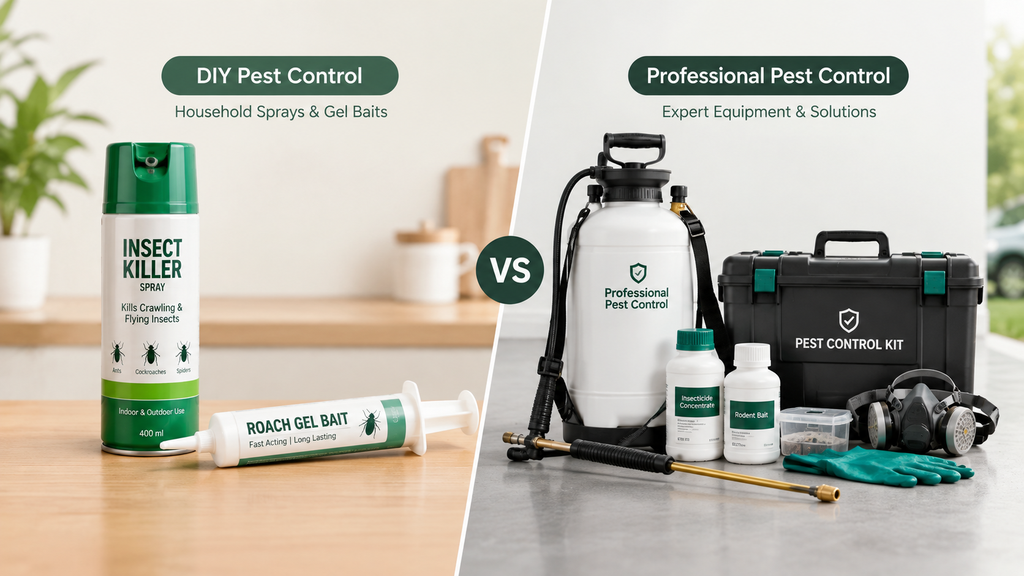
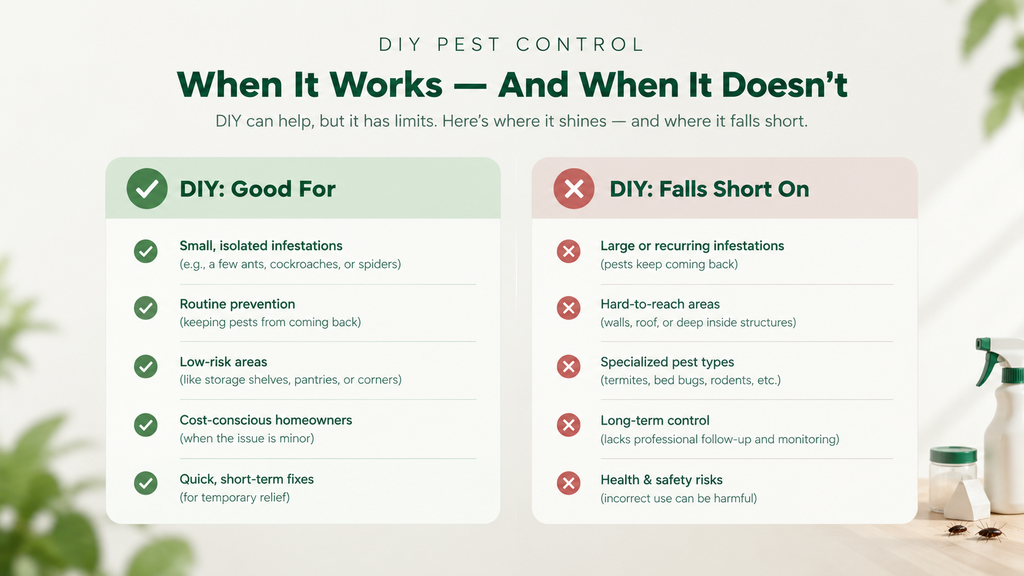
DIY pest control products are designed for quick, visible results — they kill what you can see, and they work well when the pest problem itself is fully visible and contained: a handful of ants on a countertop, a few mosquitoes in one room, an isolated cockroach sighting (Terminix — Comparing Professional Pest Control vs DIY). For a problem still in its early stages, DIY is a genuinely practical and cost-effective first move (Rudy's Pest — DIY vs Professional Services). DIY is also a reasonable maintenance layer between scheduled professional visits — using a household spray for isolated sightings doesn't undermine a broader treatment programme.
Where DIY Consistently Falls Short
Most pests you can see are not the extent of the problem — pests rarely live out in the open, so a visible sighting is frequently just the surface of a nest, colony, or entry point somewhere you can't easily reach with a spray (Terminix). A DIY product can reduce visible activity for a short period without addressing the underlying source, which is exactly why the same problem often reappears a few weeks later, sometimes worse. This pattern shows up most with:
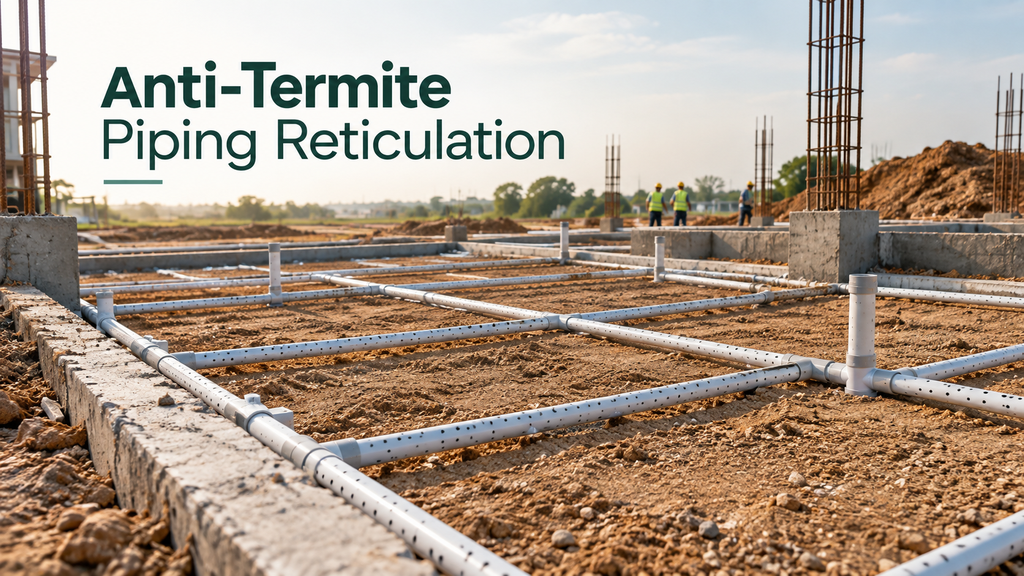
- Termites — the damage is almost always structural and hidden inside walls or under floors; no consumer spray reaches a termite colony behind a wall. See Signs of Termite Damage Homeowners in Jaipur Miss if you're trying to figure out whether what you're seeing is even termite activity.
- Cockroaches and rodents — both typically involve a nest or harborage site elsewhere in the structure; treating visible activity without finding the source rarely resolves the underlying infestation.
- Anything recurring — if the same pest keeps coming back after DIY treatment, that recurrence is itself the signal that the source hasn't been addressed.
What a Professional Actually Adds
Professional pest control starts with inspection and diagnosis — a trained technician identifies the specific pest, how it's behaving in the local climate, and where the actual source or entry point is, then treats that location specifically rather than just the visible symptom (Cal Pro Pest Control — Why Professional Pest Control Is More Effective). This diagnostic step is the real value-add — it's the difference between spraying where you saw a pest and treating where the pest is actually coming from. Professional-grade products are also generally more effective than consumer products, since technicians have access to formulations not sold to the general public (Joshua Tree Experts — DIY vs Hiring a Professional).
The Safety Dimension People Underestimate
Untrained application of any pesticide product carries more risk than most people assume — misuse (wrong concentration, wrong placement, wrong frequency) is common enough that it's a recognized safety concern, not an edge case (Kingstowne Lawn — Why Professional Pest Control Is Safer Than DIY). Overuse or misplaced application can affect indoor air quality and pose risk to children and pets in ways that aren't always obvious immediately (Oasis Turf — DIY vs Professional Pest Control). There's also a regulatory dimension specific to India: under the Insecticides Act, 1968, products must be labeled for their intended use — household or agricultural — and using an agricultural-labeled product indoors is both a label violation and a real safety issue, since agricultural formulations aren't tested or approved for indoor household exposure (India Code — Insecticides Act, 1968). Always check the label before buying, not after.
A Practical Way to Decide
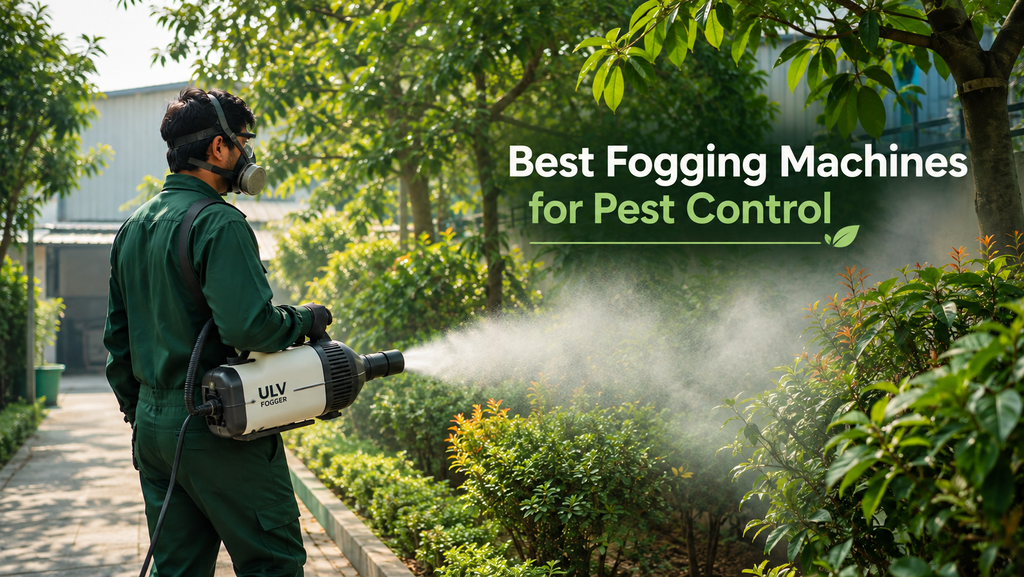
Ask yourself: can I see the entire scope of this problem right now? If yes — it's a few ants, a couple of mosquitoes, an isolated non-recurring sighting — a targeted DIY product bought and used according to its label is a reasonable first move, and pairs well with our fogging machine guide or anti-termite piping guide if the DIY-appropriate scope turns out to be larger than expected. If the answer is no — you're not sure where it's coming from, it's structural, it's recurring, or it's spread across more than one room — that uncertainty is itself the signal to get a professional inspection before spending money on any product. An assessment typically costs far less than buying the wrong product twice, and it tells you definitively which category (DIY-appropriate or not) you're actually in. For the fuller picture of how this decision fits alongside other product choices, see our pest control products buying guide.
FAQ
Is it ever unsafe to use a DIY product even for a small problem?
if the product isn't labeled for the setting you're using it in (household vs. agricultural) or if it's misapplied — concentration, location, and frequency all matter. Always follow the label exactly.
How do I know if my "small" problem is actually bigger than it looks?
If a DIY treatment doesn't fully resolve the visible activity within a reasonable window, or if it comes back after initially going away, that's a strong signal the source hasn't been addressed and a professional inspection is warranted.
Is professional pest control always more expensive than DIY? Upfront, usually yes for a single treatment. But for a structural or recurring problem, repeated DIY attempts that don't address the source often end up costing more in total than a single effective professional treatment would have.
Sources
- Terminix — Comparing Professional Pest Control vs DIY
- Rudy's Pest — DIY Pest Control vs Professional Pest Control
- Cal Pro Pest Control — Why Is Professional Pest Control More Effective Than DIY
- Joshua Tree Experts — DIY Pest Control vs. Hiring a Professional
- Kingstowne Lawn — 3 Reasons Why Professional Pest Control Is Safer Than DIY
- Oasis Turf — DIY vs. Professional Pest Control
- India Code — The Insecticides Act, 1968 (official text)