
Key Takeaways
- Fumigation compliance in India spans three separate regimes — FSSAI, DPPQS/plant quarantine, and ISPM 15 — and each has its own documentation trail.
- Methyl bromide is restricted, not banned: it's still legal for quarantine and pre-shipment (QPS) treatment under a valid DPPQS license.
- Missing an IPPC stamp on wood packaging is one of the most common, and most preventable, causes of shipment rejection at destination ports.
What Does "Fumigation Compliance" Actually Mean in India?
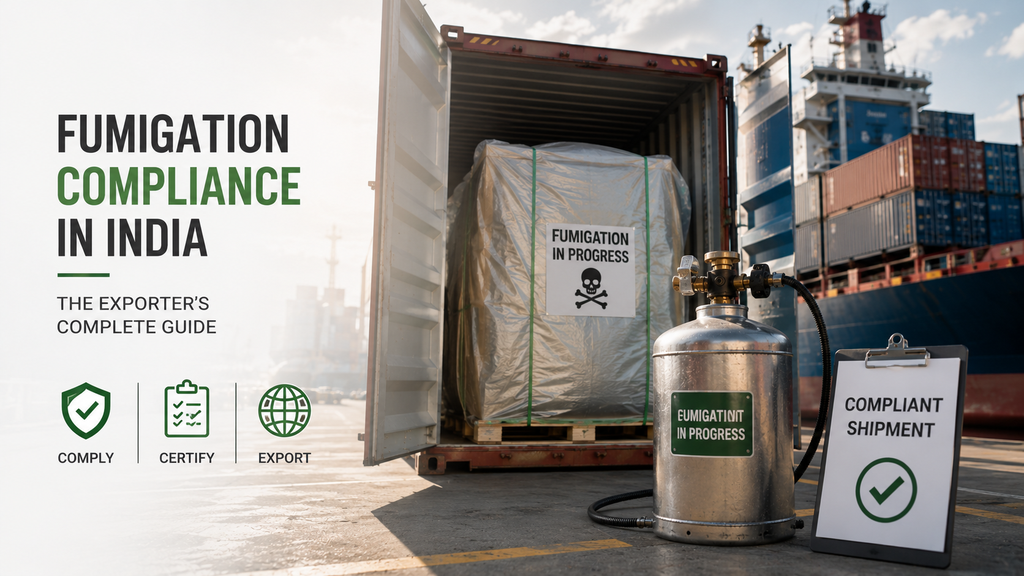
In 2026, fumigation compliance in India isn't governed by a single law — it sits at the intersection of three distinct regulatory bodies: FSSAI for food safety, DPPQS for plant quarantine and fumigant licensing, and the international ISPM 15 standard for wood packaging. Each has its own inspectors, its own paperwork, and its own failure mode.
Dealing with this pest at your property?
Get a same-day inspection and written quotation.
That fragmentation is exactly why so many businesses treat "pest control" as a single, undifferentiated service line item — and why they get caught out. A food processor might have a spotless FSSAI pest-management log and still ship cargo on non-compliant wooden pallets. An export house might hold a valid ISPM 15 stamp and still fail an FSSAI audit because its rodent-control records are incomplete.
The scale of what's at stake keeps growing. India's pest control market was valued at roughly US$1.92 billion in 2025 and is projected to reach US$3.3 billion by 2034, a 5.82% compound annual growth rate (IMARC Group, 2025). That growth is being driven, in large part, by exactly this kind of B2B compliance demand — not residential pest control.
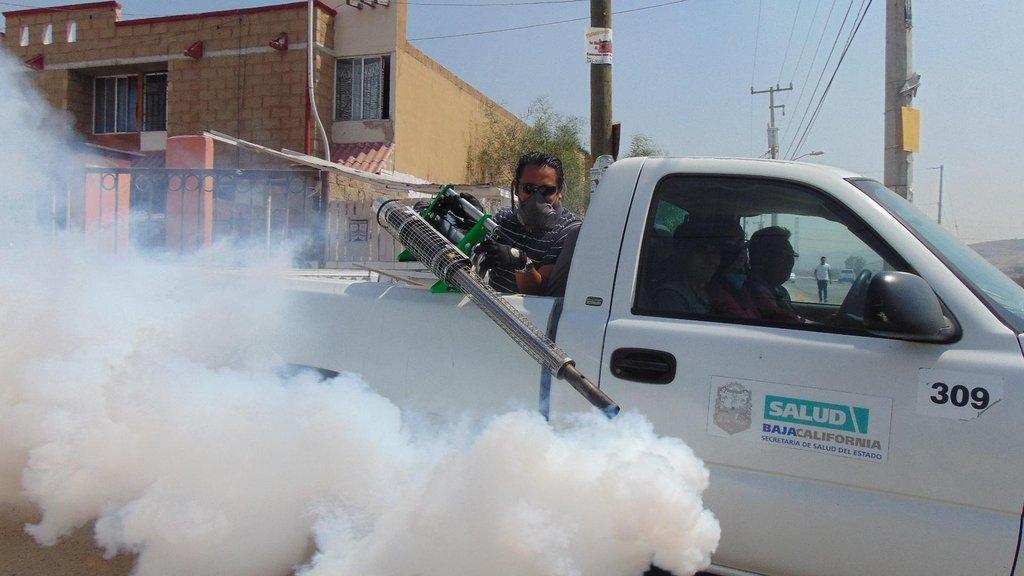
Here's the practical distinction worth remembering: FSSAI cares about what's happening inside your facility on an ongoing basis. DPPQS and ISPM 15 care about what's happening to a specific shipment at a specific moment. You need both covered, separately, with separate paper trails.
See our detailed FSSAI Schedule 4 pest control checklist for the full documented pest management program requirements.
What Are FSSAI's Pest Control Requirements for Food Businesses?
FSSAI's Schedule 4 requires every licensed food business to maintain a documented pest management program — not just periodic treatment, but ongoing records auditors can review on demand. As of March 11, 2026, the FSSAI Licensing & Registration Amendment Regulations introduced a risk-based inspection framework that can require third-party audits for higher-risk facilities (SCC Online, 2026; myfssai.in, retrieved 2026-07-21).
That amendment matters more than it might look at first glance. Isn't a compliance update just more paperwork? Not quite — a risk-based audit model means inspectors are no longer working from a fixed checklist alone. They're weighing your documented history, which makes gaps in pest-control logs far more visible than they used to be under a uniform inspection cycle.
What this actually changes: Nobody in this space has connected the 2026 risk- based audit shift to fumigation vendor selection yet. In practice, it means the quality of your pest-control documentation — not just its existence — now directly affects your audit risk tier.
What auditors typically check under Schedule 4: pest-proofing of entry points, treatment frequency logs, chemical usage records with technician signatures, and evidence that corrective action was taken after any pest sighting. A single missing log entry rarely fails an audit on its own — but a pattern of incomplete documentation is exactly what a risk-based model is designed to flag.
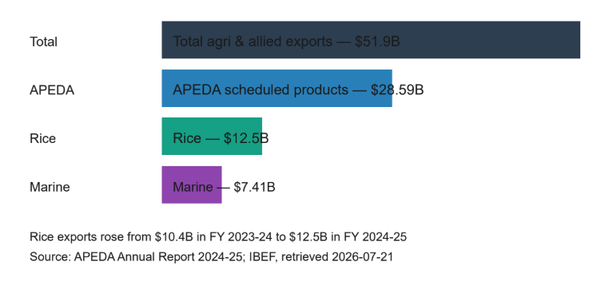
India's Agri & Allied Exports by Category, FY 2024-25 (US$ Billion)
hotel and restaurant FSSAI + HACCP compliance checklist → hospitality sector specifics
Is Methyl Bromide Fumigation Legal in India?
Yes, with an important carve-out. Methyl bromide is restricted, not banned, in India: it remains legally usable for quarantine and pre-shipment (QPS) treatments under a valid DPPQS license, even as India has committed to phasing it out for other uses under the Montreal Protocol.
This is the single most common point of confusion we see from exporters. They've read that India is phasing out methyl bromide and assume it's already illegal across the board — then they're surprised when a fumigation vendor still offers it. Both things are true at once : general/non-quarantine use is being phased down, but QPS use - the exact category most export fumigation falls into — remains a legitimate, licensed activity.

Why does this distinction persist instead of just resolving one way or the other? Because QPS treatments serve a global phytosanitary function — preventing pest movement across borders — that most countries, including India, have chosen not to restrict at the same pace as domestic agricultural fumigant use.
Compliance teams we work with in Jaipur routinely ask which fumigant their shipment "needs." The honest answer is that it depends on the destination country's phytosanitary requirements, the commodity type, and treatment timelines — not a blanket preference. A DPPQS-licensed operator should be able to walk you through that decision, not just quote you a price.
phosphine vs methyl bromide comparison → guide for choosing between fumigants
How Do You Verify a Fumigator's DPPQS License Before You Sign?
Any company performing methyl bromide or phosphine fumigation for export or quarantine purposes must hold a valid DPPQS-issued license — and verifying that license before signing a contract is the single highest-leverage compliance check an exporter can make.
An unlicensed or improperly licensed fumigator doesn't just risk your shipment — it invalidates your entire documentation trail. A certificate issued by an unlicensed operator can be rejected at the destination port even if the treatment itself was performed correctly.
The scale of what's being checked at the border isn't small. Between April 2019 and March 2024, India's plant quarantine system processed 6,43,885 import samples, of which 27,209 were found infested or infected — 13,998 with insects or mites, 2,147 with nematodes, and 10,102 with fungi or bacteria (Ministry of Agriculture and Farmers ) Welfare, Lok Sabha Unstarred Question No. 3707, retrieved 2026-07-21, eparlib.sansad.in). That's a five-year snapshot of how seriously inspection agencies scrutinize phytosanitary paperwork on both sides of a shipment — which is exactly why a fumigator's licensing status isn't a formality.
What a valid license actually looks like: a DPPQS registration number tied to the specific fumigant type, current renewal status, and — for methyl bromide specifically — QPS-use authorization rather than a general agricultural license. Red flags include a vendor who can't produce a license number on request, or one whose paperwork references a fumigant they aren't authorized to apply.
Plant Quarantine Infestation Findings (27,209 Infested Samples, Apr 2019 – Mar 2024)
- Insects / Mites: 13,998 (51.5%)
- Fungi / Bacteria: 10,102 (37.1%)
- Nematodes: 2,147 (7.9%)
- Viruses / Weeds: 962 (3.5%)
Source: Ministry of Agriculture and Farmers Welfare, Lok Sabha Unstarred Question No. 3707, retrieved 2026-07-21.
See our step-by-step guide on how to verify a DPPQS fumigator license before you sign.
What Must Exporters Using Wood Packaging Know About ISPM 15?
Any wood packaging material used in international shipments from India — pallets, crates, dunnage — must be heat-treated or methyl-bromide-fumigated and stamped with the IPPC mark, a country code, a provider ID, and a treatment code.
HT vs. MB Treatment Codes Under ISPM 15
| Treatment | Code on Stamp | Method | Typical Use | |||
| Heat Treatment | HT | Core wood temperature raised and held per | ISPM 15 spec | Preferred where facilities are available | no chemical residue | |
| Methyl Bromide Fumigation | MB | Chemical fumigation under DPPQS-licensed | QPS authorization | Used where heat-treatment facilities | are not accessible |
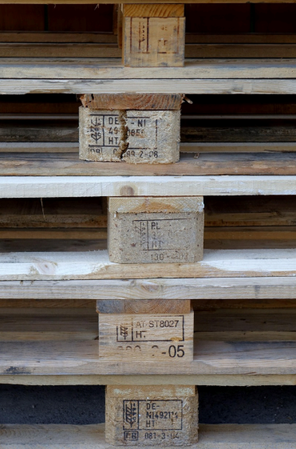
Which shipments are exempt? Processed wood products — plywood, particleboard, oriented strand board — generally fall outside ISPM 15 because manufacturing already involves heat or adhesive processes that address the same pest risk. Raw, unprocessed wood packaging is where the requirement bites hardest.
See our complete guide to ISPM 15 wood packaging requirements for IPPC stamping and treatment codes, and our phosphine vs methyl bromide comparison for choosing the right fumigant.
What Happens When a Shipment or Compliance Audit Fails?
A failed pest or fumigation inspection carries three distinct consequences depending on which regime you've fallen short of: a held shipment at customs, a rejected FSSAI audit
with recall exposure, or — in repeat cases — a DPPQS license review affecting your export partner's willingness to work with you again.
Is one of these worse than the others? Not really — they compound. A held shipment costs money immediately; a failed FSSAI audit costs standing with regulators over time; a pattern of both starts affecting how buyers and export partners assess your reliability before a deal is even signed.
From our own client base: Among the FSSAI compliance audits PestPro India has supported for Jaipur and Rajasthan-based food processors and warehouses over the past year, incomplete or gap-filled pest-control logs — not the absence of treatment itself — have been the most frequent citation. Businesses that treat pests correctly but document inconsistently are still failing audits on paperwork alone.
That pattern matters because it means the fix is often cheaper than businesses assume. It's rarely about needing more frequent treatment; it's about needing a documentation system that survives an unannounced inspection.
Read our FSSAI audit case study on how one Jaipur facility passed its re-audit after a compliance overhaul, and our warehouse pest control AMC contract guide for what your contract should require to prevent this.
How Do You Build a Compliance Program That Covers All Three Regimes?
The most reliable way to stay compliant across FSSAI, DPPQS, and ISPM 15 simultaneously is a documented Annual Maintenance Contract (AMC) that ties pest-control visit records, fumigation certificates, and treatment logs into a single auditable trail — rather than treating each regime as a separate vendor relationship.
Why does a unified contract outperform three separate ones? Because the failure point we see most often isn't a bad treatment — it's a documentation gap between vendors who
see most often isn't a bad treatment — it's a documentation gap between vendors who don't talk to each other. A pest-control company handling your FSSAI compliance and a separate fumigation company handling your export certificates rarely reconcile their paperwork, which leaves auditors piecing together a story from mismatched records.

What a proper AMC should include: scheduled visit frequency matched to your facility's risk profile, chemical usage logs with technician sign-off, fumigation certificates filed against specific shipment or batch numbers, and a single point of contact who can produce the full trail on demand — not just the most recent visit.
Sector-specific notes worth flagging: RIICO industrial units in Rajasthan often need termite protection layered into the same AMC given the region's desert-climate termite pressure; hotels and restaurants need the pest-control trail cross-referenced against HACCP records, not just FSSAI Schedule 4.
See our warehouse pest control AMC contract guide for what to require in your compliance contract, and our RIICO industrial pest protection guide for sector-specific compliance.
Frequently Asked Questions
Is methyl bromide fumigation legal in India?
Yes, for quarantine and pre-shipment (QPS) treatments under a valid DPPQS license. It's restricted for general agricultural use under India's Montreal Protocol commitments, but the QPS exemption — which covers most export fumigation — remains legal and actively used.
What are FSSAI's pest control requirements for food businesses?
FSSAI's Schedule 4 requires a documented pest management program with treatment logs and corrective-action records. As of March 11, 2026, the FSSAI Licensing & Registration Amendment Regulations introduced a risk-based audit framework, making documentation completeness more consequential than before.
Is ISPM 15 mandatory for wood packaging exported from India?
Yes, for most international shipments using raw wood packaging materials. Pallets, crates, and dunnage must be heat-treated or methyl-bromide-fumigated and carry the IPPC stamp with the correct treatment code (HT or MB) before they leave the country.
How do I verify a fumigator's DPPQS license?
Ask directly for the license number and confirm it covers the specific fumigant they're proposing to use — a general license doesn't automatically cover methyl bromide QPS authorization. See our DPPQS license verification guide for the full step-by-step process.
What happens if my export cargo fails a fumigation or pest inspection?
Outcomes range from a held shipment at customs to outright rejection at the destination port. Repeat failures can affect your standing with DPPQS or your FSSAI license tier under the 2026 risk-based framework, and can damage trust with export partners.
Where to Start
Three regulatory regimes, three separate paper trails, one shipment or one facility that has to satisfy all of them at once — that's the reality of fumigation compliance in India today. book a compliance audit or site survey → PestPro India's audit-ready compliance service page on pestproindia.com] before your next inspection, not after.
Sources Cited
- APEDA, APEDA Annual Report 2024-25, retrieved 2026-07-21
- IMARC Group, India Pest Control Market report, 2025, retrieved 2026-07-21
- SCC Online, FSSAI Licensing & Registration Amendment Regulations 2026 coverage, retrieved 2026-07-21
- myfssai.in, FSSAI 2026 amendment summary, retrieved 2026-07-21
- Ministry of Agriculture and Farmers Welfare, Government of India, Lok Sabha Unstarred Question No. 3707, retrieved 2026-07-21
- IBEF, India rice export data FY 2023-24 to FY 2024-25, retrieved 2026-07-21
- Image credits: Pixabay License (free for commercial use) — fumigation-2772381, certificate-260529, euro-pallet-2461347, files-1614223