
Key Takeaways
- Odontotermes obesus, Rajasthan's dominant termite species, is confirmed present in Jodhpur, Ajmer, Bhilwara, Jaipur, Jhunjhunu, Nagaur, Pali, Sikar, and Udaipur districts.
- This species occurs in both arid (Thar desert) and comparatively wetter zones of the state, meaning geographic location within Rajasthan doesn't meaningfully reduce risk.
- RIICO industrial facilities benefit from layering termite protection into the same AMC that covers FSSAI-relevant pest control, rather than treating it as a separate service line.
Which Termite Species Threatens RIICO Industrial Units?
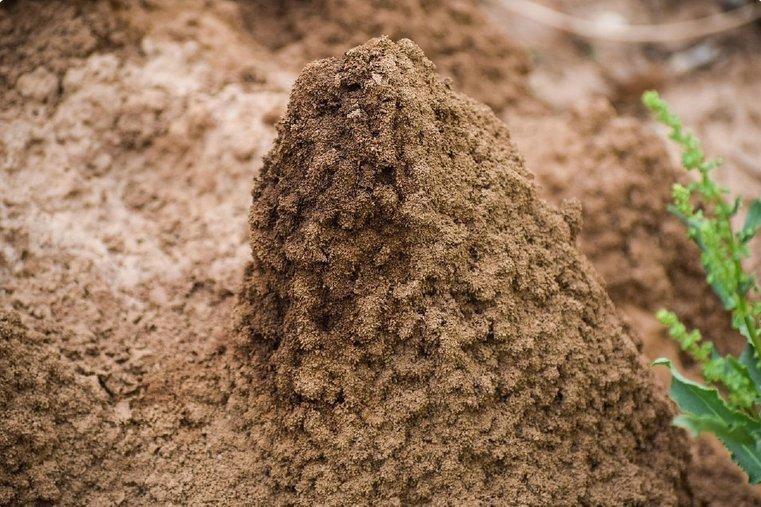
Odontotermes obesus is the dominant termite species across Rajasthan, with confirmed presence documented in Jodhpur, Ajmer, Bhilwara, Jaipur, Jhunjhunu, Nagaur, Pali, Sikar, and Udaipur districts, occurring in both the state's arid Thar desert zones and its comparatively wetter regions (CAZRI, Termite Pests of Vegetation in Rajasthan, retrieved 2026-07-21).
Dealing with this pest at your property?
Get a same-day inspection and written quotation.
That geographic spread is worth sitting with. This isn't a species confined to one climate pocket within the state — it's established across nearly the full range of Rajasthan's environmental conditions, which means a RIICO facility's specific district location doesn't meaningfully change whether termite risk applies, only how severe it is.
Fumigation Compliance in India: The Exporter's Complete Guide, ISPM 15 .
What Makes RIICO Industrial Units Particularly Exposed?
No published research we located directly studies RIICO industrial estates specifically for termite infestation data — that's a genuine research gap worth naming rather than papering over. What is well-documented is the underlying species distribution (CAZRI's Rajasthan termite research), which strongly suggests industrial estates sited within these districts inherit the same regional exposure as surrounding agricultural and residential zones.
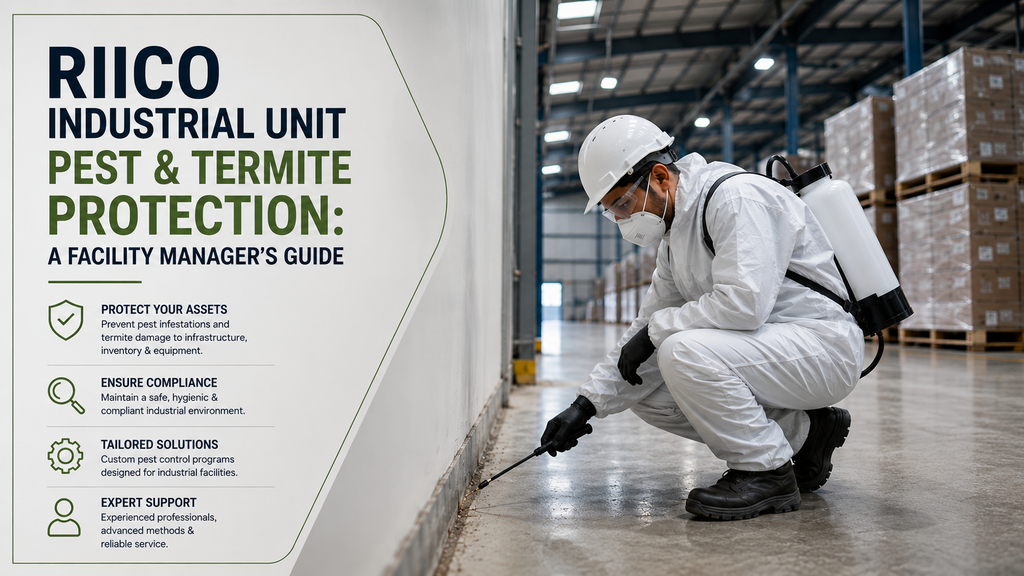
Industrial units add a specific complication beyond residential exposure: stored raw materials, wooden pallets and packaging (themselves subject to ISPM 15 if used for export), and structural timber in older facility construction all present termite entry points that a purely cosmetic pest-control approach won't address.
ISPM 15 wood packaging requirements →
How Should Termite Protection Be Structured for Industrial Facilities?
Given Odontotermes obesus's confirmed presence across most of Rajasthan's districts, industrial facility managers should treat termite protection as a structural requirement layered into routine pest control — not an optional add-on considered only after visible damage appears.
Districts with Confirmed Odontotermes obesus Presence:
Source: CAZRI, Termite Pests of Vegetation in Rajasthan
- Jaipur
- Jhunjhunu
- Jodhpur
- Nagpur
- Udaipur
- Ajmer
- Pali
- Bhilwara
- Sikar
Occurs across both arid (Thar) and wetter zones — geography within, Rajasthan does not meaningfully reduce exposure.
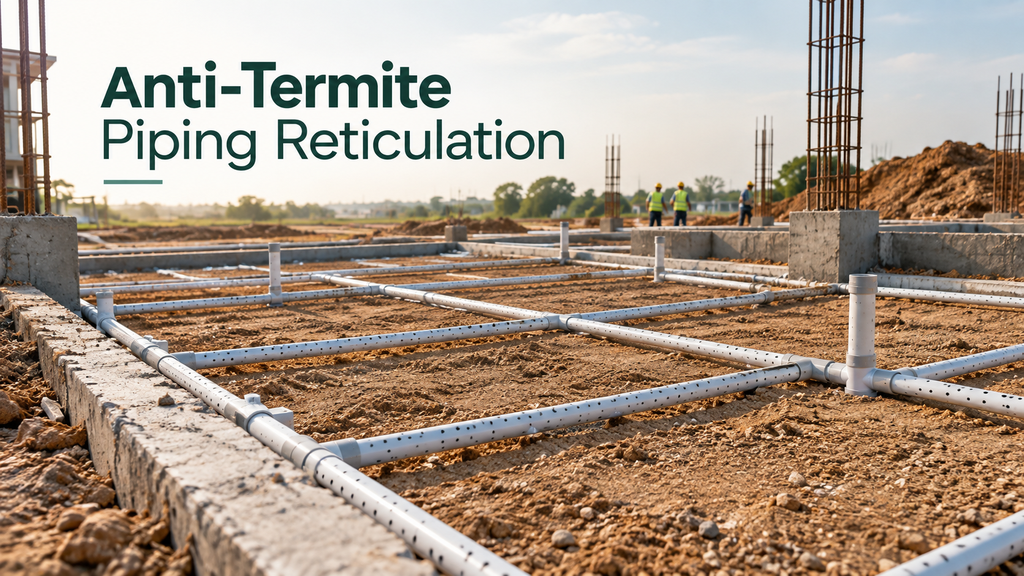
Practical structure: pre-construction soil treatment where new facility construction is planned, post-construction perimeter and structural timber treatment for existing units,nd termite-specific inspection folded into the same AMC visit schedule covering general pest control — rather than a separate annual termite-only contract.
(pest control AMC contract guide)
Should Termite Protection Be a Separate Contract From General Pest Control?
No — the more reliable structure layers termite-specific inspection and treatment into the same Annual Maintenance Contract (AMC) covering FSSAI-relevant pest control, since a single vendor maintaining both records avoids the documentation-reconciliation gap that separate vendors create.
Industrial facilities that split termite protection into a standalone annual contract, separate from their main pest-control AMC, often lose track of renewal dates independently — one contract lapses while the other continues, and nobody notices until a structural inspection catches new damage.
( FSSAI Schedule 4 pest control checklist )
Frequently Asked Questions:
What termite species is most common in Rajasthan?
Odontotermes obesus, confirmed present in Jodhpur, Ajmer, Bhilwara, Jaipur, Jhunjhunu, Nagaur, Pali, Sikar, and Udaipur districts, occurring in both arid and wetter zones of the state.
Does a RIICO industrial unit's specific location reduce termite risk?
Not meaningfully — the species is established across nearly the full range of Rajasthan's districts and climate zones, so location within the state changes severity more than it changes whether risk applies at all.
Should termite protection be a separate contract from general pest control?
It's generally better layered into the same AMC — separate contracts create independent renewal schedules and documentation trails that are easy to lose track of.
Is there specific research on termite risk at RIICO industrial estates?
No dedicated study of RIICO estates specifically was located; the applicable evidence is CAZRI's broader Rajasthan district-level termite species research, which strongly implies similar exposure for industrial sites within those districts.
Where to Start
If your industrial unit's termite protection runs on a separate contract from your general pest control AMC, that's worth consolidating before either one lapses unnoticed.
Sources Cited
- CAZRI (Central Arid Zone Research Institute), Termite Pests of Vegetation in Rajasthan, retrieved 2026-07-21
- Image credit: Pixabay License (free for commercial use) - termite-mound-6229945