
Key Takeaways
- India implements ISPM 15 through two DPPQS national standards: NSPM-9 (heat treatment) and NSPM-11 (methyl bromide fumigation).
- Wood packaging must carry the IPPC mark with country code, provider ID, and treatment code (HT or MB) — not just proof that treatment occurred.
- Processed wood products like plywood and particleboard are generally exempt from ISPM 15.
What Is ISPM 15 and How Does India Implement It?
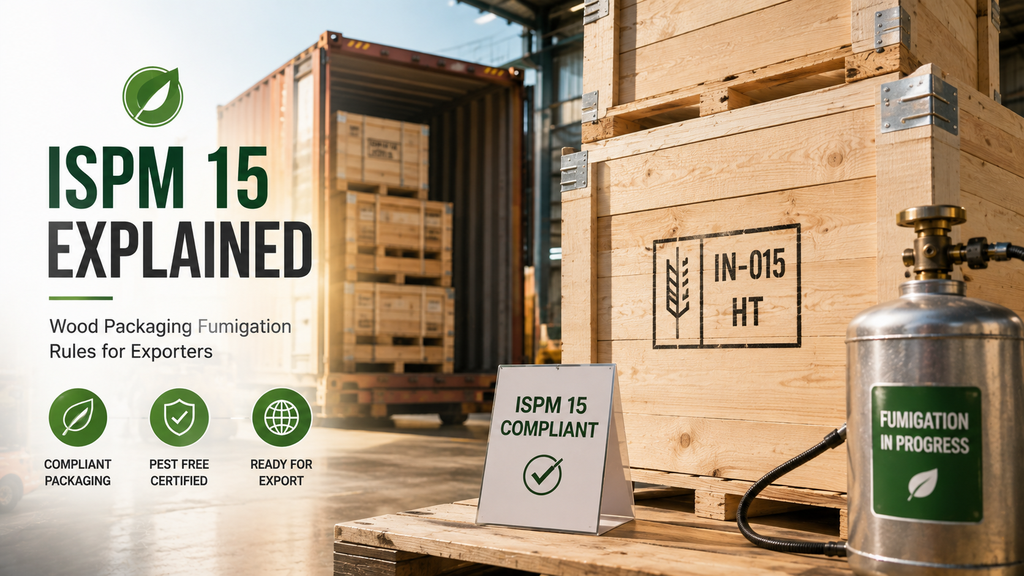
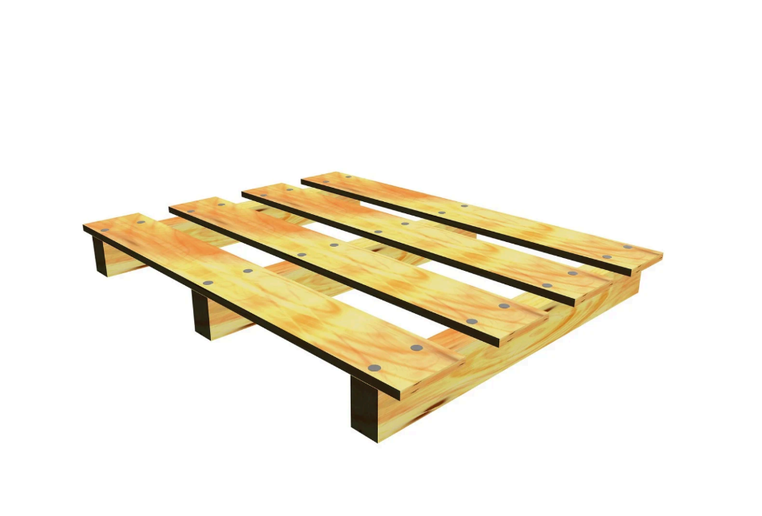
ISPM 15 is the International Plant Protection Convention's standard requiring raw wood packaging material — pallets, crates, dunnage — used in international trade to be treated against pests before export. India implements this through two DPPQS-issued National Standards for Phytosanitary Measures: NSPM-9 for forced hot air/heat treatment and NSPM-11 for methyl bromide fumigation, both administered for DPPQS-accredited operators (DPPQS/Phytosanitary Solutions, NSPM-11; IndiaMART, NSPM-09 reference, retrieved 2026-07-21).
Dealing with this pest at your property?
Get a same-day inspection and written quotation.
Those two standards exist because ISPM 15 itself is deliberately treatment-agnostic — it specifies the outcome (pest-free wood packaging, verified by a mark) but lets individual countries implement whichever treatment methods they choose to accredit.
What Must the IPPC Stamp Actually Show?
A compliant ISPM 15 stamp must show the IPPC logo, a two-letter country code, a unique provider/producer registration number, and a treatment code — HT for heat treatment or MB for methyl bromide fumigation. Missing any one of these four elements is treated the same as no stamp at all by most destination customs authorities.
India's ISPM 15 Implementation Standards
| Indian Standard | Treatment | Stamp Code | Governing Body |
| NSPM-9 | Forced hot air / heat treatment | HT | DPPQS, Faridabad |
| NSPM-11 | Methyl bromide fumigation (QPS) | MB | DPPQS, Faridabad |
how to verify a DPPQS fumigator license → confirming your stamping operator is accredited
Which Wood Packaging Is Exempt From ISPM 15?
Processed wood products — plywood, particleboard, and oriented strand board — generally fall outside ISPM 15 because their manufacturing process already involves heat or adhesive treatment that addresses the same pest risk raw wood poses.
Exporters sometimes assume all wood packaging needs a stamp, then over-treat processed materials unnecessarily, or assume the opposite and skip stamping raw pallets that absolutely need it. Both mistakes are common, and both are avoidable by checking material type before assuming either way.
What Happens If Your Wood Packaging Isn't Properly Stamped?
Wood packaging without a valid IPPC mark — or with a mark missing required elements — is a common cause of rejection at destination customs, sometimes resulting in the entire shipment being held while the packaging is treated, replaced, or the mark corrected.
We've seen shipments held at destination not because the wood wasn't treated, but because the stamp was faded, incomplete, or applied inconsistently across pallets in the same load. Stamp legibility matters as much as treatment itself.
phosphine vs methyl bromide comparison → which fumigant applies if you're choosing MB treatment
Frequently Asked Questions
What does ISPM 15 require?
ISPM 15 requires raw wood packaging material used in international trade to be heat-treated or methyl-bromide-fumigated and marked with an IPPC stamp showing country code, provider ID, and treatment code.
What are NSPM-9 and NSPM-11?
They're DPPQS's national standards implementing ISPM 15 in India — NSPM-9 covers heat treatment, NSPM-11 covers methyl bromide fumigation, both administered through accredited operators.
Is plywood subject to ISPM 15?
Generally no. Processed wood products like plywood, particleboard, and oriented strand board are typically exempt because their manufacturing process already addresses the pest risk raw wood poses.
What happens if my pallets are missing the IPPC stamp?
The shipment can be held at destination customs until the packaging is treated, replaced, or the stamp corrected — a delay that's almost always avoidable by verifying stamps before the shipment leaves India.
Where to Start
Check your current wood packaging supplier's stamps for all four required elements — logo, country code, provider ID, and treatment code — before your next shipment leaves the warehouse.
book a compliance audit or site survey → PestPro India's audit-ready compliance service. if you're not sure your current packaging meets the standard.
Sources Cited
- DPPQS, NSPM-11 Quarantine Treatment — Methyl Bromide Fumigation Standard, retrieved 2026-07-21
- IndiaMART, NSPM-09 Forced Hot Air Treatment reference, retrieved 2026-07-21
- Image credit: Pixabay License (free for commercial use) — pallet-686317